Insights
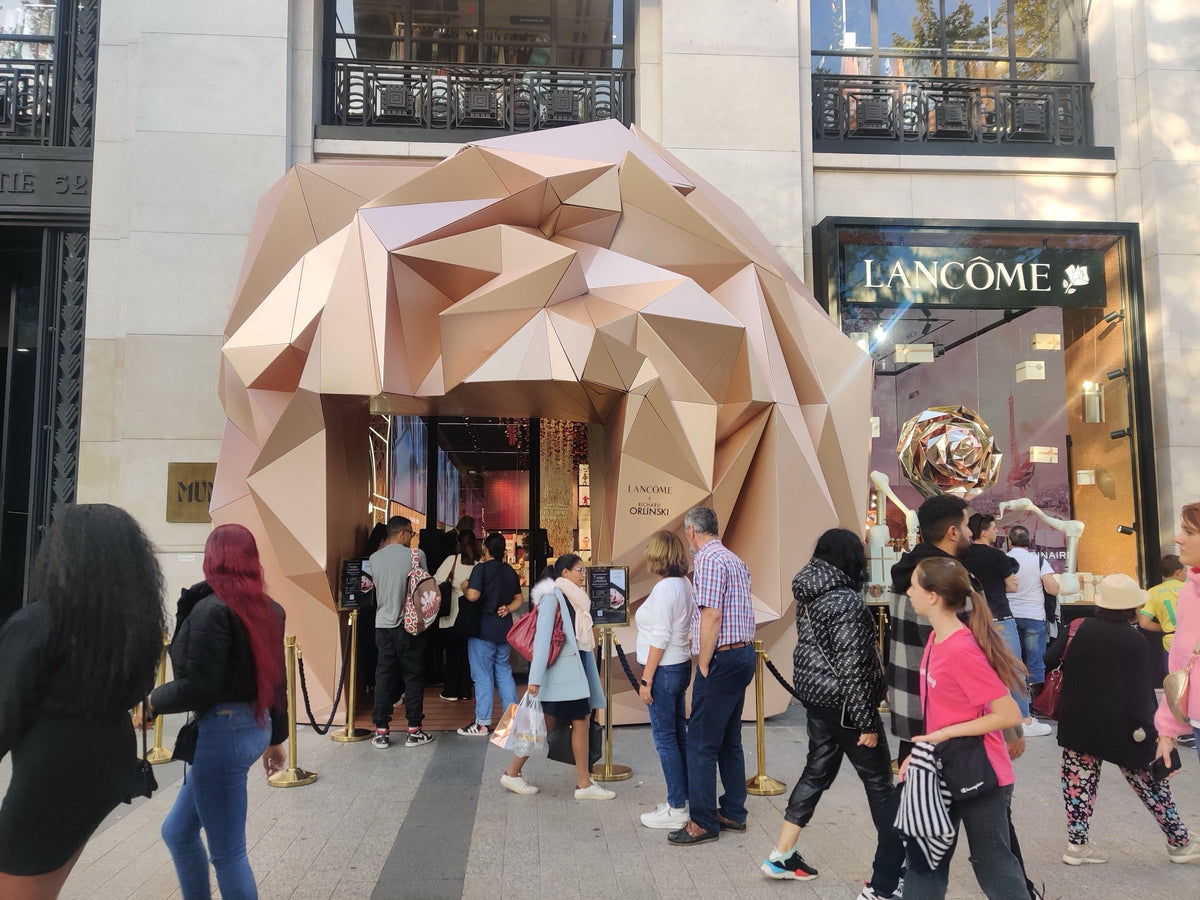
Flagships and facades: what actually gets people through the door?
On the big luxury avenues, the window is no longer a few feet of glass. The whole building is the display. Six...
In 2024, we listed six ways AI would change luxury. Two years on, the hype has given way to sorting: some uses delivered, others hit their limits.
Does AI make luxury more desirable, or more generic? In 2024, we listed six ways artificial intelligence would change luxury, from personalized advice to store concepts dreamed up with generated images. Two years on, the hype has given way to sorting. Some uses delivered, others hit their limits, and a rule is taking shape: AI serves luxury when it supports a human moment, and cheapens it when it tries to replace one.
Our 2024 list counted virtual reality as an AI use case: exploring a collection through a headset, as if you were in the store. That was a mix-up. A VR headset is an immersive screen. AI recommends, generates or analyzes. The same goes for the giant Jacquemus Bambino bags rolling through Paris in April 2023. We credited them to AI in 2024, but they were 3D renders, as we explain in our article on oversized activations. The distinction matters. It tells a brand what it is actually buying, and what to expect from it.
On December 2, 2025, Valentino posted a fully AI-generated Instagram video for its DeVain bag, framed as a digital creative project. Despite the clear labeling, commenters called it "cheap," "lazy" and "disturbing." Glossy notes that most luxury houses use AI to extend existing shoots, like Burberry animating images from a 1980s campaign in 2025, rather than to lead a campaign, and that shoppers see generated images as less valuable than handmade ones (Glossy).
The lesson is simple. In luxury, the image is part of the craft. Handing it entirely to a machine says the opposite of what the brand sells. AI is still a useful creative tool for sketching a concept or visualizing a set, as long as the team's and the artists' talent stays in charge, as we wrote back in 2024.
In stores, AI has settled in where shoppers do not see it. At LVMH, brands use it to summarize past conversations with a client and help associates draft personalized messages. The group's internal assistant, MaIA, handles more than 2 million requests a month from 40,000 employees (PYMNTS, June 2025). LVMH says it plainly: AI does not replace creativity, savoir-faire or the personal relationships behind its clients' experience (LVMH).
This is the use that makes luxury more desirable. It frees up the associate's time and sharpens their advice, without taking anything away from the relationship.
In January 2024, at CES in Las Vegas, L'Oréal Paris unveiled Beauty Genius, a beauty assistant built on generative AI (L'Oréal). It diagnoses skin or hair from a selfie, offers an augmented reality try-on and recommends from more than 750 of the brand's products. According to L'Oréal Paris, it has passed 1.2 million conversations in the US and also works on WhatsApp (L'Oréal Paris).
Diagnostics, already on our 2024 list, put within everyone's reach advice that once required a beauty counter. They prepare the purchase without replacing it: a foundation shade or a serum texture still has to be checked on skin.
Both, depending on the use. AI makes luxury generic when it replaces what the client came for: an artisan's hand, a person's attention. It makes luxury more desirable when it frees up time for that hand and that attention. In stores, above all, it needs raw material: reliable data on what actually happens on the floor.
That is what our devices produce. Every test on Paperscent or Dropper is logged in Gaudier Cloud by day, store, fragrance and country: which products get tested, where and when. In 2025, we launched our data and AI strategy to do more with that data, as our story explains.
Generative AI creates content (text, images, video) or recommendations from data. Virtual reality places the user in a simulated environment, usually through a headset. They can work together, but they are different technologies.
In luxury, houses present it as support: it prepares the advice, summarizes a client's history, suggests a message. The relationship, the gesture and the product test stay human.
Insights
On the big luxury avenues, the window is no longer a few feet of glass. The whole building is the display. Six...
Insights
Every year, stores around the world go big for the holidays. From New York to the Champs-Élysées, here's what the Christmas window...
Guides
An animated window display catches the eye. To bring people inside, the motion also has to lead to the product: let them...
Gaudier designs, deploys and operates interactive in-store devices that let shoppers test beauty and luxury products. Buy or rent, in 30+ countries.